
Defending the Republic: How U.S. Law and Constitutional Safeguards Counter Covert Subversion
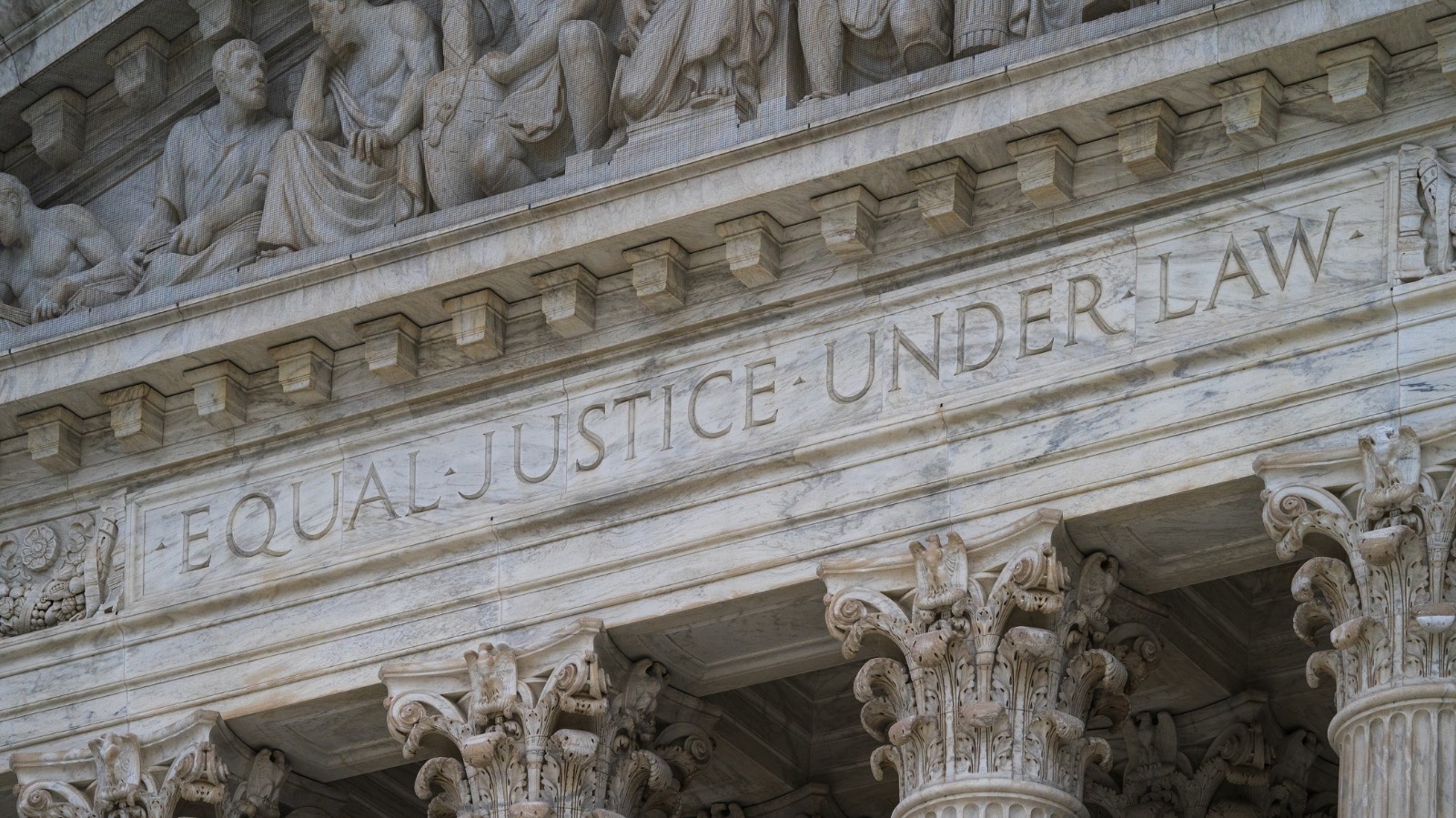
By John Joseph Kanjiram & SI When a nation faces concerns about covert foreign influence, ideological extremism, or institutional paralysis, it can feel as though constitutional protections tie the hands of law enforcement and leave the country vulnerable. Under American law, citizens cannot be stripped of their rights, barred from office, or deported simply because they hold dual citizenship with an adversarial state, share a religious faith with a foreign power, or hold supremacist or anti-American beliefs. Yet these constitutional guardrails do not leave the United States helpless. Instead, the American legal system is engineered to neutralize subversion by targeting verifiable conduct rather than group identity—and by dispersing power across so many governmental and civic institutions that no single faction or compromised leadership can capture the entire country.
1. Why the Constitution Protects Identity and Belief
The U.S. Constitution draws a strict line between who a person is and what a person does: • The 14th Amendment: Enacted to guarantee equal citizenship and due process, the 14th Amendment prevents the government from stripping citizenship arbitrarily or imposing collective punishment on entire demographic or religious groups. • No Religious Tests (Article VI) and the First Amendment: Citizens cannot be excluded from public office, media, or infrastructure roles based on their religion—even if that faith is the official state religion of a foreign adversary. Likewise, holding or expressing extreme views is protected speech unless it crosses into inciting imminent lawless action. By refusing to target people based on faith or heritage, the Constitution protects innocent citizens while forcing law enforcement to build objective, airtight cases against actual bad actors.
2. How Federal Courts Target Covert Foreign Agency
The moment protected belief turns into covert action on behalf of a foreign power, federal statutes provide potent enforcement tools: • Proving "Direction and Control": Under the Foreign Agents Registration Act (FARA, 22 U.S.C. § 611) and 18 U.S.C. § 951 (acting as an unregistered foreign agent), federal prosecutors do not need to prove a person's inner religious or ideological motives. Instead, courts evaluate objective evidence showing the individual acted under the direction or control of a foreign government. • Concrete Evidence Over Profiling: Federal trials rely on encrypted communications, covert financial trails, clandestine tradecraft, and undisclosed foreign-directed media placement. Even if an individual publicly claims non-alignment with a foreign state, secret coordination with foreign officials is a federal felony. • Security Clearance Vetting: Access to sensitive government roles and critical infrastructure is a privilege, not a right. Federal investigators evaluate applicants for allegiance to the United States, foreign influence, and foreign preference, revoking clearances immediately when active foreign loyalty or coercion risks appear.
3. Citizenship Revocation vs. Criminal Prosecution
When a dual citizen betrays the United States, the legal consequences depend on intent and how citizenship was acquired: • Expatriation (8 U.S.C. § 1481): Serving in a hostile foreign military, taking an oath-bound post in a foreign government, or committing treason can strip a dual citizen of U.S. nationality—if the government proves the person acted voluntarily with the specific intent to relinquish citizenship. • Life Imprisonment Over Exile: Under Supreme Court precedent (Afroyim v. Rusk), if a citizen commits espionage or treason but refuses to renounce their U.S. citizenship, the government cannot exile them. Instead, it prosecutes them as an American citizen, carrying penalties up to life imprisonment or the death penalty. • Denaturalization (8 U.S.C. § 1451): For naturalized dual citizens, intent to renounce is not required. If a federal court finds they concealed covert ties to a hostile intelligence service, military, or totalitarian group during their immigration process, their citizenship is voided entirely, leaving them subject to immediate deportation.
4. Built-In Safeguards When Institutions Falter
Even in a scenario where federal agencies hesitate to act out of corruption, coercion, or fear, the U.S. constitutional structure prevents total institutional capture through intentional friction: • Federalism and State Sovereignty: Under the 10th Amendment, 50 independent state governments maintain their own courts, state attorneys general, and law enforcement agencies. State prosecutors do not answer to federal officials and can independently investigate bribery, fraud, extortion, and infrastructure sabotage. • Lifetime Judges and Whistleblowers: Federal judges hold lifetime tenure under Article III to insulate them from political intimidation. Meanwhile, statutory Offices of Inspector General and federal whistleblower laws protect civil servants, military personnel, and intelligence officers who expose covert subversion to Congress or the public. • Constitutional Oaths: Every member of the U.S. military, federal civil service, and state National Guard swears an oath to support and defend the Constitution—not any political leader or faction—carrying a legal duty to disobey unlawful orders.
5. The Final Backstop: Civic Sovereignty When Government Fails
If federal, state, and local institutions all falter simultaneously, the U.S. system shifts the power of accountability outside official channels directly to the public: • Frequent Elections and Direct Democracy: Staggered two- and four-year election cycles allow voters to replace compromised officials at every level, from city councils to Congress. In roughly half of U.S. states, citizens can also use ballot initiatives to pass anti-corruption laws directly, veto referendums to repeal bad legislation, and recall elections to remove corrupt officials mid-term. • Decentralized Information and Citizen Litigation: Even if major media outlets hesitate, independent journalists, whistleblowers, and researchers protected by the First Amendment can expose financial paper trails and foreign ties. Meanwhile, private citizens can bypass reluctant prosecutors using qui tam lawsuits (such as under the False Claims Act) to expose fraud in open court, while independent bar associations and corporate boards enforce professional accountability. • Economic and Civic Action: Protected by the First Amendment, coordinated boycotts, divestment campaigns, and civic organizing allow citizens to apply direct financial and political pressure on complicit institutions.
Conclusion
The American constitutional system does not rely on the impossible assumption that every leader or institution will always remain incorruptible and fearless. Rather, it survives by dividing power across federal branches, 50 states, independent courts, whistleblowers, a decentralized press, and an active electorate—ensuring that while citizens are protected from collective punishment based on faith or heritage, covert foreign agents and oath-breakers remain exposed to both the rule of law and the power of a self-governing public. ✝️🇺🇸 🫡
Comments
 Read nextThis is mental illness:Continue reading
Join the network where everyone's real
- Publish your own posts and articles to an audience of identity-verified people — standout pieces may be featured here.
- Connect and talk with real, verified humans — no bots, no anonymous accounts.
- You choose who sees each post: your verified network, or the public feed.
Free forever