
The Devolution of Grace: How a Word of Pure Love Became a Graphic Insult
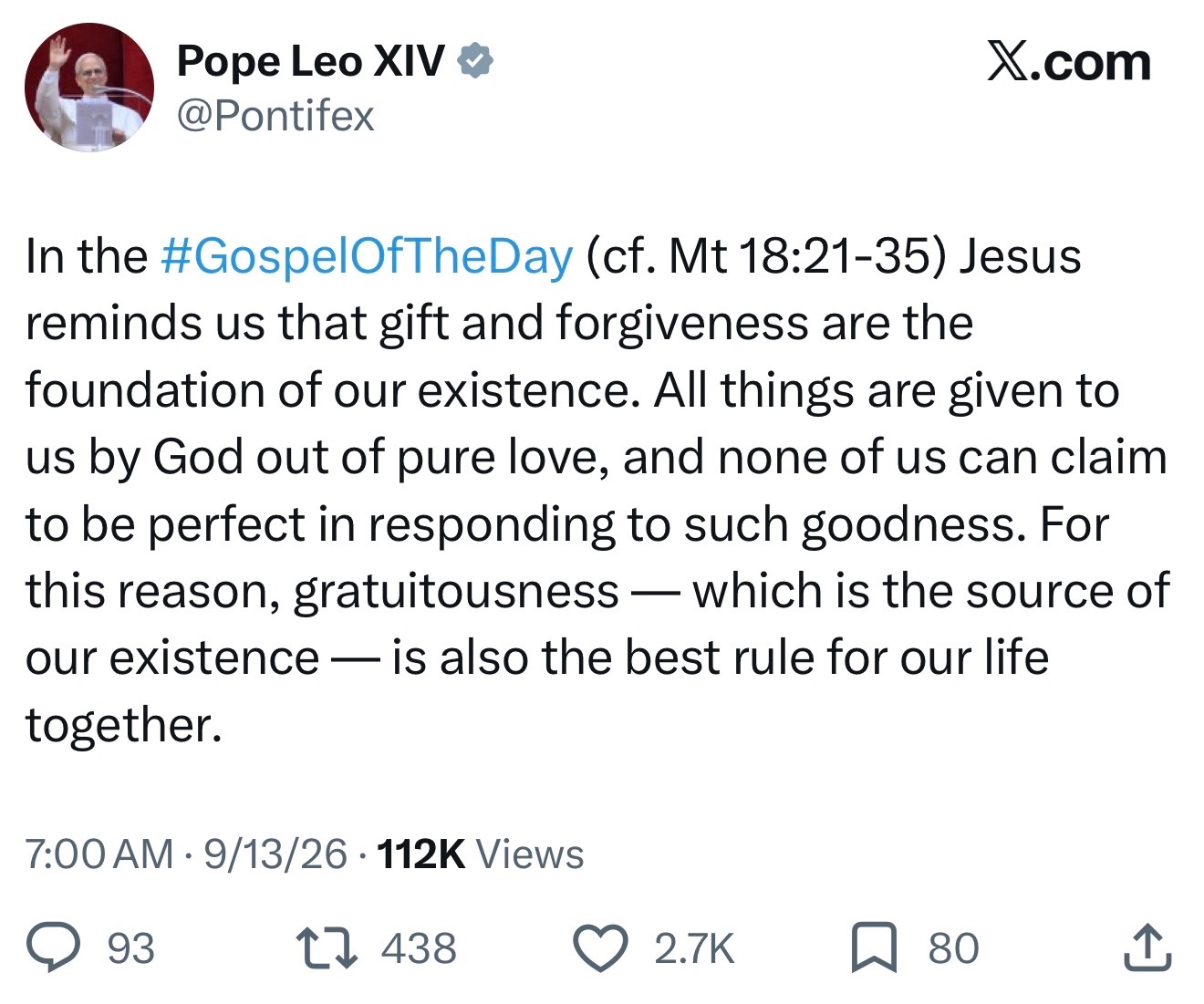
By Johnny Joseph Kanjiram and American SI: When the official papal account, @Pontifex, posted a reflection on Matthew 18:21-35, it left many modern readers scrolling in bewilderment. The tweet declared that "gratuitousness — which is the source of our existence — is also the best rule for our life together." For anyone raised on a diet of contemporary media, this sentence reads like an absolute paradox. How could the source of our existence be something "unnecessary"? Why would a spiritual leader recommend that we structure our communities around a concept most famously paired with Hollywood violence and uncalled-for cruelty?
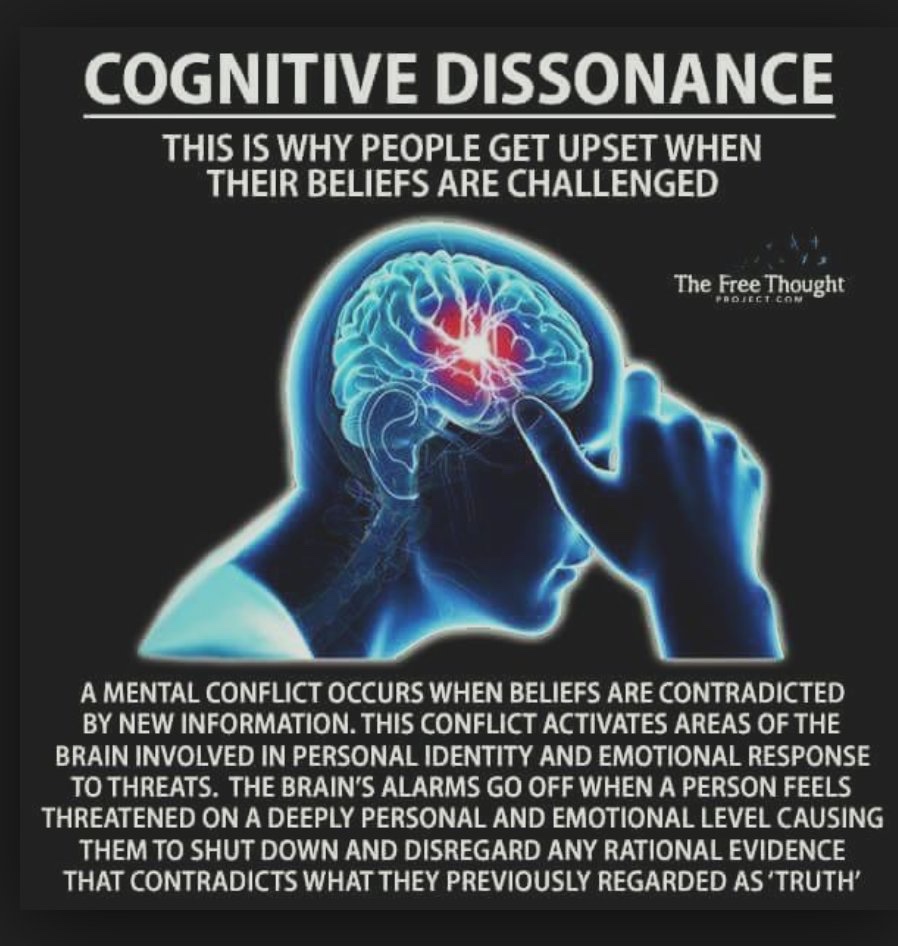
The cognitive dissonance highlights a fascinating case of linguistic degeneration—a journey where human cynicism gradually twisted a word of absolute beauty into a term of vulgar excess.
The Dictionary Dilemma
Looking up "gratuitousness" in a standard modern dictionary like the Cambridge Dictionary or Merriam-Webster only deepens the initial confusion. The bolded, primary definition text invariably points toward the negative: the state of being unwarranted, unnecessary, or lacking cause or justification. Under this contemporary framework, the Pope’s tweet sounds downright bleak—suggesting that human existence is fundamentally pointless or uncalled-for. It is only when you bypass the primary modern definitions and scroll down to the dustier, secondary theological or legal footnotes that the true meaning reveals itself: given, done, or obtained without charge or payment; voluntary. To the Vatican, "gratuitousness" does not mean a movie has too much blood; it means God's love is a profound, unearned, and unconditional gift. The gulf between these two definitions is vast, leaving a clear trail of breadcrumbs through the history of the English language to see exactly where they diverged.
The Timeline of a Changing Word
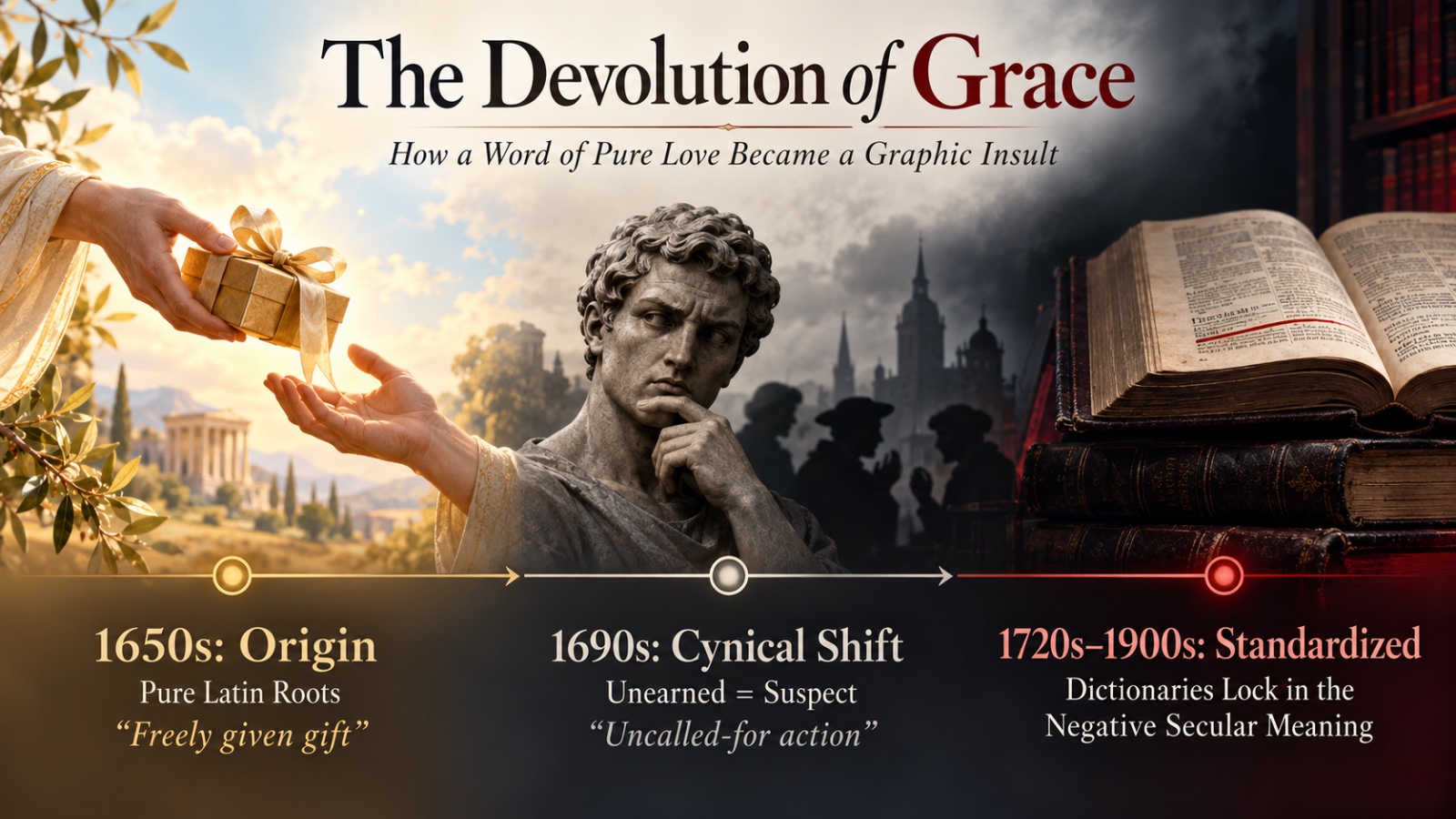
The dramatic pivot of "gratuitous" and its noun form "gratuitousness" didn't happen by accident. It rolled out across centuries, driven by changing social philosophies and tracked meticulously by early print institutions. 1650s: The Era of Pure Grace The adjective gratuitous first formally breached the English language in the mid-17th century (tracked between 1650 and 1660). It was imported directly from the classical Latin grātuītus, meaning "spontaneous, voluntary, or free." It shared a proud linguistic family tree with gratitude, grace, and gratis. During this era, if an action was gratuitous, it was noble—it meant you did it out of sheer kindness, expecting absolutely nothing in return. 1690s: The Cynical Shift Human nature, however, is notoriously transactional. By the 1690s, a swift and deeply cynical semantic shift occurred. Cultural historians suggest that as market economies formalized, society grew inherently suspicious of things given "for nothing." If an individual offered a statement or an action that was completely unprompted, unearned, and unpaid for, people assumed it was baseless or uninvited. "Gratuitous advice" shifted from meaning "free, helpful consultation" to "annoying, unasked-for opinions." 1727: The First Noun Landmark As the word's negative, secular meaning grew in the streets, dictionary makers began stepping in to formalize it. According to the Oxford English Dictionary, the exact noun "gratuitousness" made its very first recorded appearance in print in 1727. It was captured in a popular etymological dictionary compiled by the English schoolmaster and lexicographer Nathan Bailey. Bailey's early reference works helped set the stage for tracking how the word was losing its purely positive, voluntary sheen in everyday British English. 1900s: The Absolute Split By the time the early editions of the Oxford University Press and Merriam-Webster standardized modern English at the turn of the 20th century, the negative track had secured a total victory in common speech. The rise of modern media criticism in the mid-to-late 1900s permanently welded the word to graphic excesses—giving birth to the ubiquitous idioms "gratuitous violence" and "gratuitous nudity."
Two Languages in One
Today, the word essentially lives a double life. The general public uses the definition coded by modern media: an expression of needless excess. Meanwhile, heavily traditional spaces like the field of law (which still references "gratuitous contracts" to describe one-sided gifts) and global theology refuse to abandon the 1650s root. When the Pope uses gratuitousness, he is intentionally bypassing centuries of cynical linguistic evolution. He is reaching back to the word's earliest origins to remind the world of a simple, beautiful concept: that the best things in life—our existence, our grace, and our love—are things we can never truly earn, and should therefore pass along for free.
✝️🇺🇸 🫡
Comments
 Read nextProtocol XIV: Erase all historical religions to leave only one, while promoting low-quality literature in the meantime.Continue reading
Join the network where everyone's real
- Publish your own posts and articles to an audience of identity-verified people — standout pieces may be featured here.
- Connect and talk with real, verified humans — no bots, no anonymous accounts.
- You choose who sees each post: your verified network, or the public feed.
Free forever