
The Hidden Screen: Why Disney’s Animation Scandals Prove We Need a Federal Ban on Subliminal Media
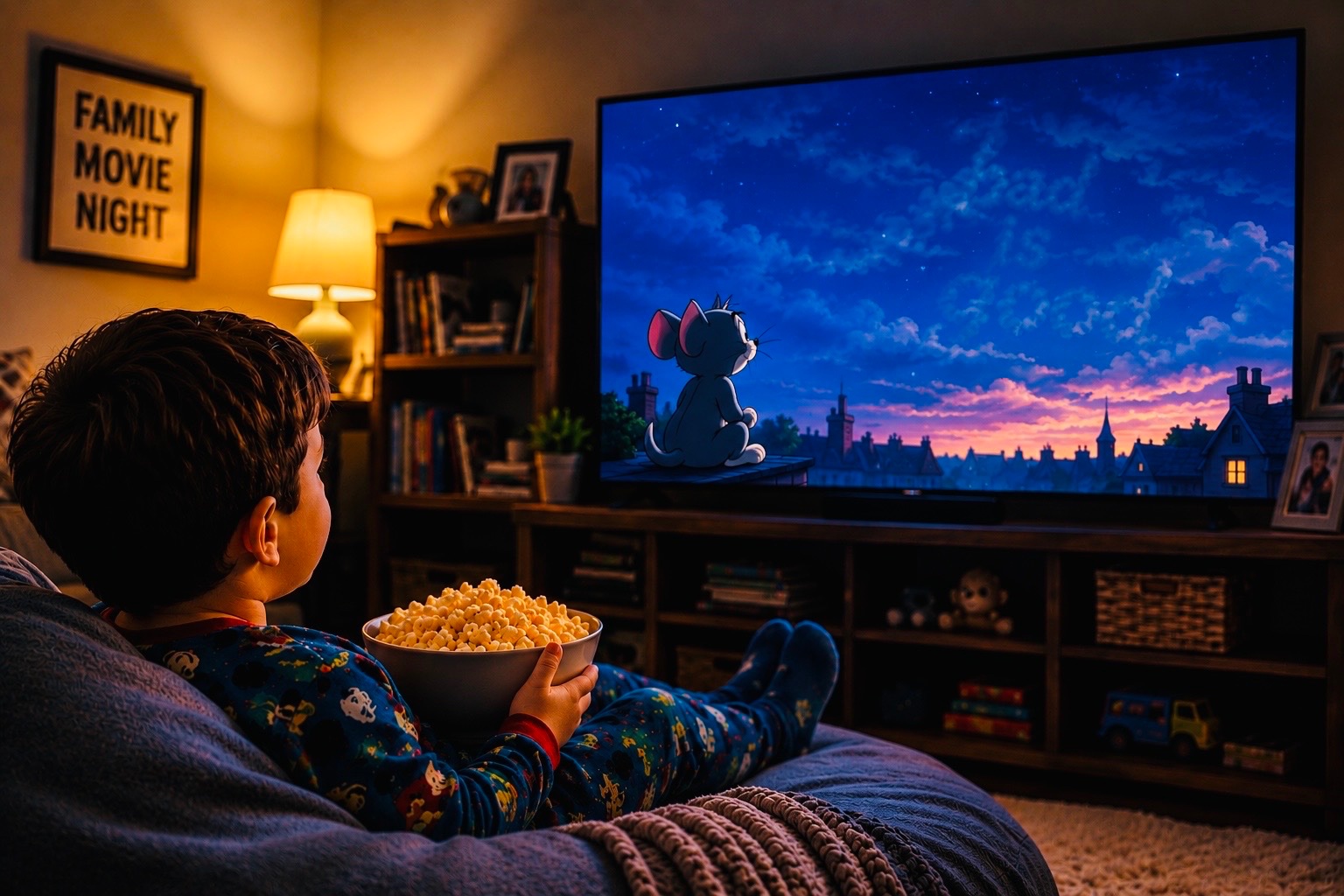
For decades, parents have treated classic animated movies as a safe harbor. We hand the remote to our children, trusting that the bright colors, catchy songs, and wholesome moral lessons will entertain them without compromising their innocence. However, a deeper look into the history of animation reveals that our trust has often been violated. High-profile incidents involving hidden imagery in beloved Disney films show that the screen is not always as innocent as it seems. These examples add a troubling layer of complexity for parents trying to determine what is safe for their children to watch, and they ultimately prove that self-regulation is not enough. To truly protect the next generation, the United States needs a firm, enforceable federal ban on subliminal and hidden manipulative practices in media.
When the Safe Harbor Fails: The Evidence
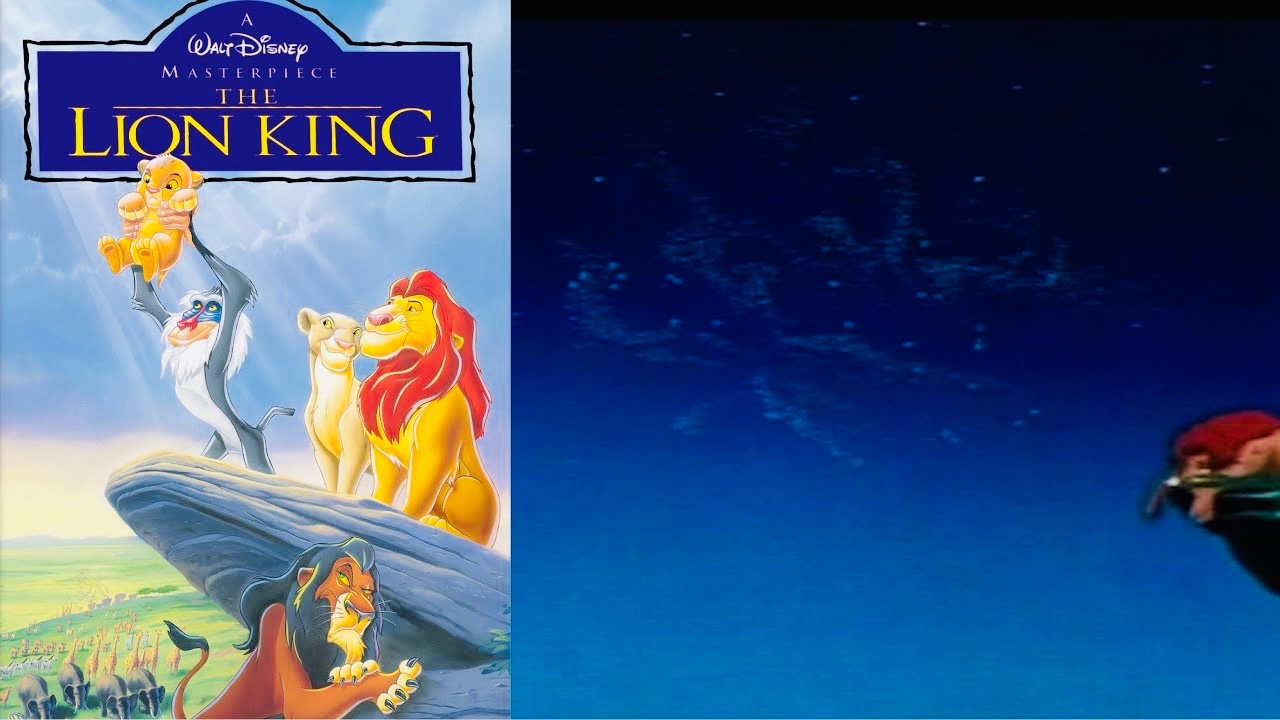
The debate over what is hidden in children's media is not a matter of conspiracy theory; it is a matter of documented film history. Over the years, several classic films had to be altered or recalled after inappropriate imagery reportedly slipped past studio executives and onto the screens of millions of homes. • The Intentional Sabotage in The Rescuers (1977): In 1999, Disney was forced to issue a massive recall of more than 3.4 million home video copies of The Rescuers. The reason? A post-production worker had secretly spliced a photographic image of a topless woman into two non-consecutive frames of a window background. It was invisible at normal playback speed but rested squarely in the subconscious processing of young viewers. • The Ambiguity of The Lion King (1994): In a famous scene where Simba flops onto the ground, a cloud of dust rises into the night sky, spelling out a three-letter word. While Disney animators have since claimed that the dust spelled "SFX" as a nod to the special effects department, millions of parents understandably read the poorly defined letters as "SEX." • The Overlooked Art of The Little Mermaid (1989): The original VHS cover artwork for the film featured a prominent golden castle spire that unmistakably resembled a phallus. The artist later stated it was an accidental byproduct of a frantic, 4:00 AM rush to meet a deadline.
The Impossible Burden on Parents
These examples expose the severe limitations of our current media rating systems and the impossible burden placed on modern parents. How can a parent properly vet content when the objectionable material is literally designed to be invisible to the naked eye at 24 frames per second? When we decide what our children should watch, we evaluate the plot, the language, and the overt themes. We cannot reasonably be expected to pause every scene frame-by-frame to ensure a disgruntled animator or a rushed graphic designer hasn't inserted inappropriate imagery. The fact that these images slipped past Disney’s own multi-million-dollar quality control departments proves that consumers stand no chance of catching them on their own. It introduces an exhausting layer of paranoia to parenting, turning a relaxing family movie night into a exercise in hyper-vigilance.
The Case for a Federal Ban
Currently, the United States relies on a patchwork of corporate panic and loose regulatory guidelines to police this behavior. The Federal Communications Commission (FCC) discourages subliminal messaging on broadcast TV, but these rules do not cleanly apply to streaming platforms, movie theaters, or physical media. When Disney acknowledged the error in The Rescuers, they recalled the tapes to save their brand image—not because a federal law forced them to. Leaving the psychological safety of children up to corporate self-interest is a dangerous gamble. A company should not get to decide whether or not to police itself based on whether they think they will get caught. We need a comprehensive federal statute that explicitly bans the insertion of hidden, subliminal, or micro-frame imagery intended to bypass conscious human awareness in all consumer media. • Accountability for Studios: A federal ban would legally obligate entertainment companies to implement rigorous, automated frame-by-frame scanning to catch hidden anomalies before media is distributed. • Strict Liability: Under a federal law, intent should not be a loophole. It should not matter if an image was an inside joke, a deadline mistake, or intentional malice; the presence of subconscious manipulation in child-targeted media should carry severe, non-negotiable financial penalties. • Drawing a Clear Line: Forcing the brain to process information it cannot consciously see or counter is an inherently deceptive and non-consensual practice. The First Amendment protects free speech, but it does not protect the right to secretly manipulate a child's subconscious.
Conclusion
Our children deserve to enjoy their youth without being the unwitting targets of hidden adult jokes, artistic negligence, or workplace sabotage. The visual history of Disney proves that even the most trusted giants of family entertainment are vulnerable to these lapses. Relying on parents to police the invisible is an unfair and unworkable solution. It is time for the federal government to step in, draw a hard legal line, and permanently ban manipulative, hidden practices from the media our children consume.
Comments
Join the network where everyone's real
- Publish your own posts and articles to an audience of identity-verified people — standout pieces may be featured here.
- Connect and talk with real, verified humans — no bots, no anonymous accounts.
- You choose who sees each post: your verified network, or the public feed.
Free forever